
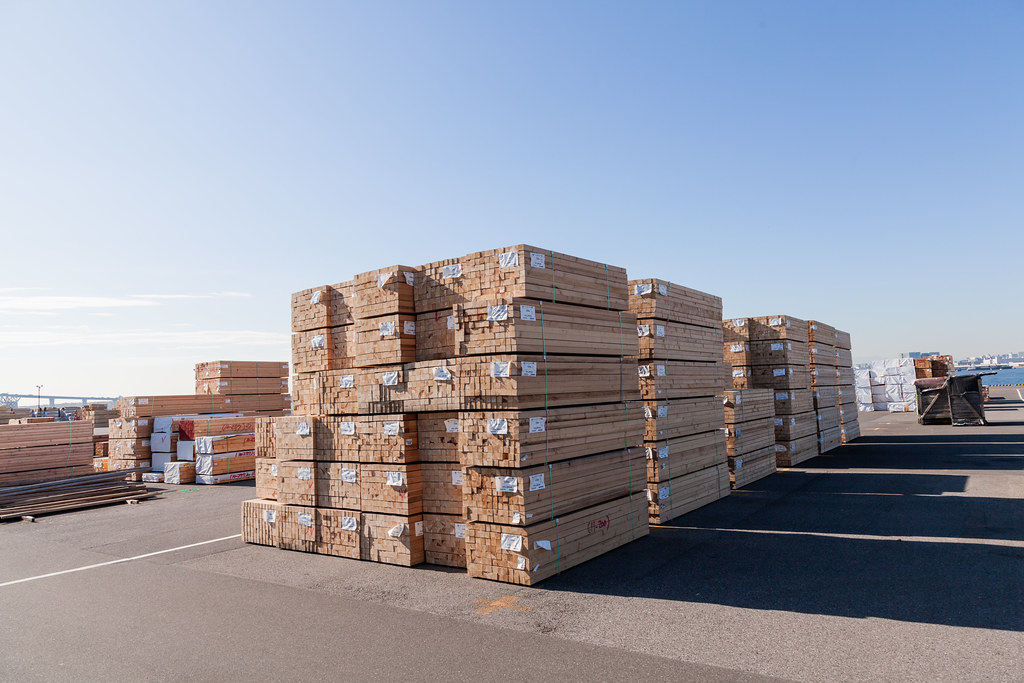
B.C. Forestry Sector Faces Mounting Challenges: Calls for Action Intensify
British Columbia’s forestry sector, a cornerstone of the province’s economy, faces a confluence of challenges that threaten its stability. Representing over $17 billion in GDP contributions over the past decade, the sector has been impacted by policy shifts, high costs, and external pressures such as U.S. tariffs and volatile markets.
Sector Under Pressure
The Business Council of British Columbia (BCBC) has voiced concerns over declining annual allowable cuts and regulatory burdens that are increasing uncertainty for operators. According to BCBC, the forestry sector supports over 100,000 jobs and generates $7 billion in public revenues, making its health integral to the province’s economic and social stability.
“Forestry is a key part of B.C.’s identity and prosperity,” the BCBC stated. “We urge the government to pause further policy changes, reflect on cumulative impacts, and ensure predictable access to fiber in working forests.”
Premier David Eby echoed these concerns during discussions about a proposed 25% U.S. tariff on Canadian goods, calling the measure “devastating.” Eby highlighted the economic ripple effects, including higher costs for U.S. consumers and lost jobs in both countries. “These unjustified tariffs don’t make economic sense,” he said.
Economic and Community Impacts
The challenges extend beyond trade issues. High fiber costs, adverse weather conditions, and weak markets have forced Vernon-based Tolko to announce holiday closures at several mills. Tolko, which employs 2,700 people across North America, cited B.C.’s policy environment as a factor in the decision.
“These decisions are not made lightly,” said Tolko spokesperson Chris Downey. “We recognize the impact on employees, families, and communities.” Despite setbacks, the company affirmed its commitment to remaining a key player in B.C.’s forestry sector.
Path Forward: Innovation and Diversification
Advocates are urging a balanced approach that supports the sector while fostering innovation. BCBC has called for fast-tracking advancements in forest management, enhancing wood waste utilization, and strengthening partnerships with Indigenous communities.
Premier Eby has also highlighted diversification as a key strategy. Recent trade missions to Asia Pacific countries, including Japan and Korea, aim to expand market opportunities for B.C. products and mitigate reliance on U.S. markets.
Unified Advocacy Needed
With three-quarters of British Columbians expressing support for the forestry sector, the call for unified advocacy across government, industry, and communities grows louder. As the sector grapples with immediate challenges, a coordinated approach will be essential to securing its future and sustaining the livelihoods of thousands of British Columbians.