
Products Don’t Sell. Stories Do.
By Linda Farha, Founder and President, Zenergy Communications
 In today’s woodworking and manufacturing landscape, quality is no longer a differentiator. Precision, durability, and innovation are expected. Whether you’re producing cabinetry, furniture, or architectural components, chances are your competitors are working with similar materials, comparable technology, and equally skilled craftsmanship.
So, what actually makes one brand stand out while another blends into the background?
Increasingly, the answer isn’t the product itself, it’s the story behind it.
The Shift from Features to Meaning
For years, product marketing in the woodworking and manufacturing space focused on specifications: dimensions, finishes, load ratings, installation methods. While those details remain essential, they rarely spark interest on their own.
Today’s architects, designers, and specifiers want to understand how a product fits into a broader design narrative. They want to see how it behaves in real spaces, how it solves everyday challenges, and how it supports the way people actually live.
That’s where storytelling becomes powerful. Not as a marketing tactic, but as a way to translate technical innovation into something relatable, visual and human.
Why Storytelling Resonates in Design
Storytelling in manufacturing isn’t about marketing hype. It’s about translating innovation into real-world relevance.
A well-told story does three important things:
- It shows application, not just capability
- It humanizes technical innovation
- It helps designers imagine possibilities, not just products
This is especially important in today’s design environment, where spaces are becoming more multifunctional, footprints are shrinking, and expectations around flexibility and usability continue to grow.
When storytelling is done well, it doesn’t distract from the product — it clarifies its purpose.
Showing, Not Selling
This shift is evident in how design-forward brands are presenting their work. Rather than leading with product sheets, they’re leading with context: real homes, real constraints, and real design decisions.
Design Chronicles, by Hettich for example, is a video series that takes viewers behind the scenes of actual renovation projects where space, movement, and functionality are central to the design challenge. Instead of highlighting hardware in isolation, the focus is on how thoughtful engineering enables better living.
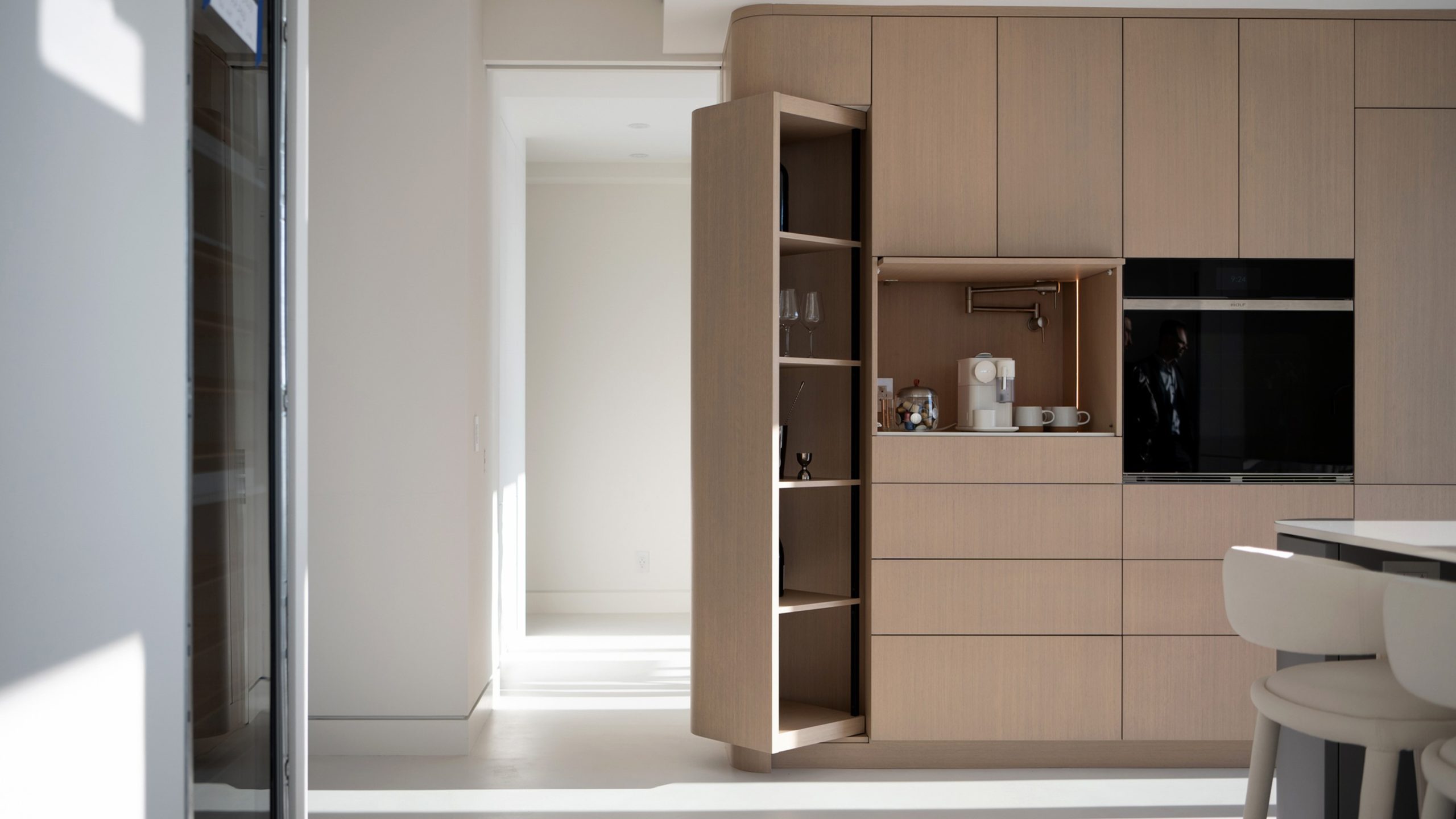
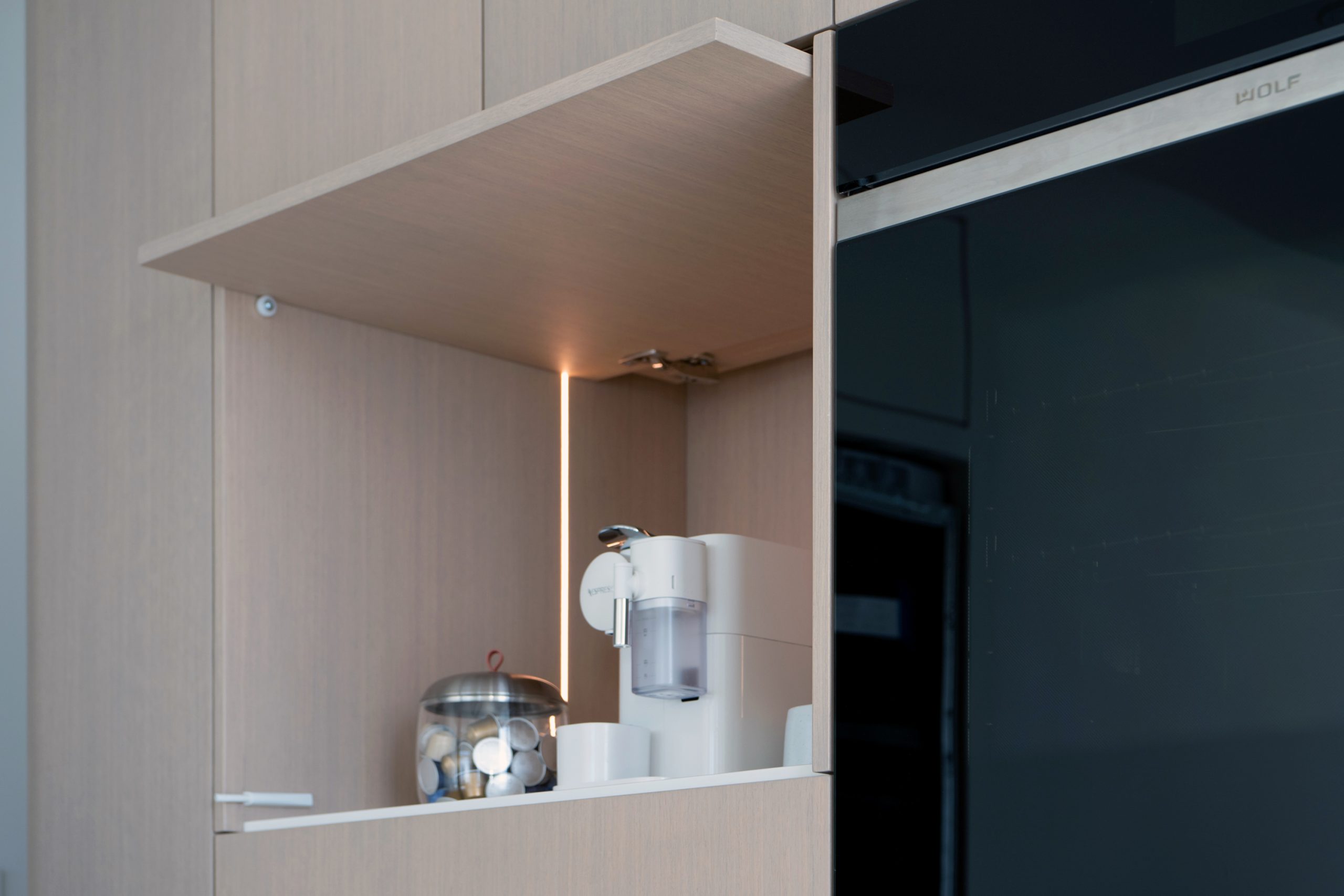
In compact interiors, for instance, cabinetry that can disappear when not in use becomes more than a clever mechanism; it becomes a way to reclaim space and reduce visual clutter.
A door that retracts smoothly into a cabinet frame or a unit that rotates to reveal hidden storage isn’t just an innovation; it’s a solution to a very real design problem.
By embedding these details within a broader story about how people use their homes, the technology becomes intuitive rather than technical. The product supports the story instead of competing for attention.
Why This Approach Works
Storytelling reframes how products are perceived. Instead of asking designers to imagine possibilities, it shows them. Instead of listing benefits, it demonstrates outcomes.
This matters because today’s design professionals are:
- Evaluating products within the context of lifestyle and experience
- Looking for solutions that support flexibility and smarter use of space
- More likely to engage with brands that understand design thinking, not just manufacturing
When products are presented through narrative, they become easier to specify, easier to advocate for, and easier to remember.
Architects and Designers Hold the Keys
In today’s market, architects, designers and specifiers play a decisive role in what gets selected, sourced, and ultimately built. Their influence extends far beyond aesthetics; they shape functionality, performance expectations, and long-term material choices.
Earning their attention involves more than a strong product. It requires making that product easy to understand, easy to specify, and relevant to real design challenges. Physical sampling platforms such as Material Bank help demonstrate quality and performance, while strategic communication frameworks like A&D Link help bridge the gap between innovation and specification. When brands focus on supporting the design process rather than selling into it, they become part of the decision-making conversation.
From Products to Possibility
The most successful brands in the manufacturing and interiors space are no longer competing on features alone. They’re competing on perspective.
They show how their products fit into a bigger picture how they enable creativity, solve spatial challenges, and elevate everyday environments. And in doing so, they move from being suppliers to becoming partners in design.
In a crowded market, that shift makes all the difference.
Linda Farha is Founder and President of Zenergy Communications and a communications and marketing executive with more than 30 years of experience helping Canadian organizations build brands, drive media visibility, and support business growth.