
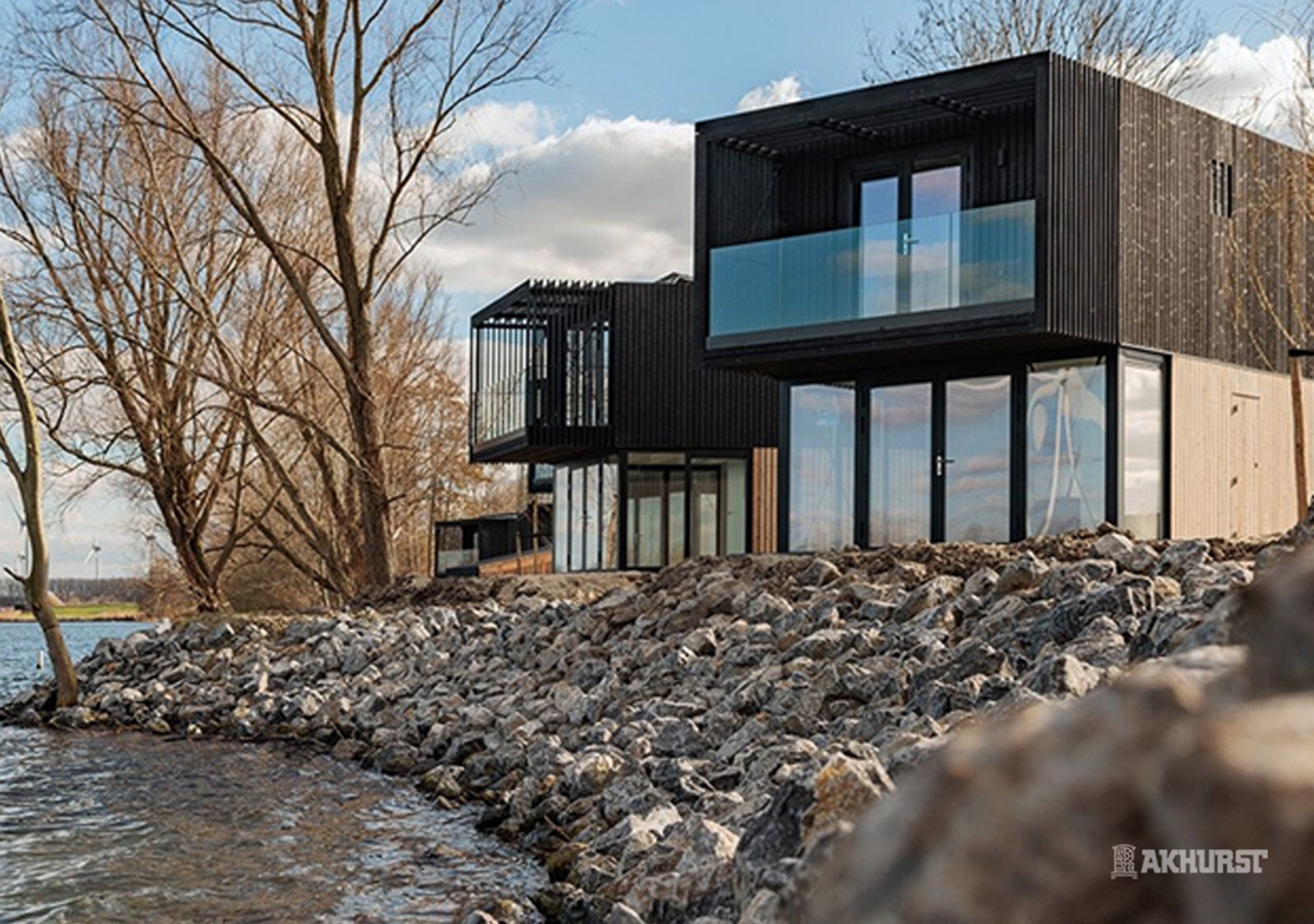
Revolutionizing Construction: How Offsite Construction is Transforming Building Across North America.
The construction industry across North America is experiencing a paradigm shift. As cities grow in population, infrastructure ages, and demand intensifies for more efficient and faster building methods, prefabrication – also known as offsite construction – is gaining momentum as a reliable and industry-defining solution. Manufacturing components in a controlled environment and assembling them onsite offers faster delivery, greater cost control, and improved quality and consistency. From healthcare and education to commercial spaces and urban infill, prefabrication reshapes how North America builds.
Prefab in Healthcare and Education: Rapid Solutions for Critical Infrastructure.
Healthcare and education sectors across the U.S. and Canada are under significant pressure to modernize and expand capacity, often within tight timelines and budgets. Traditional construction methods have been unable to parallel population growth and changing needs, putting stress on major cities to accommodate the lack of opportunity specifically in underserved or remote regions. Prefabrication steps in as a highly effective method to deliver quality facilities with reduced disruption, faster timelines, jobs, and infrastructure growth.
In the United States, modular construction has led the charge in rapidly building clinics and outpatient centers, enabling faster turnaround times and improved infection control through factory-built, high-spec environments. In June 2020, NYC Health + Hospitals deployed modular COVID-19 testing and vaccination centers across New York City, demonstrating prefab’s ability to respond swiftly in times of crisis.
On the education front, American school districts in states like California, Texas, and Florida are leveraging modular classrooms to combat overcrowding and address disaster recovery. After Hurricane Katrina, New Orleans schools used modular construction to reopen quickly. More recently, the Clark County School District in Nevada has turned to prefab to accommodate surging enrollment in Las Vegas suburbs, operating over 2,100 classrooms and moving 450,500 annually to accommodate changing demands.
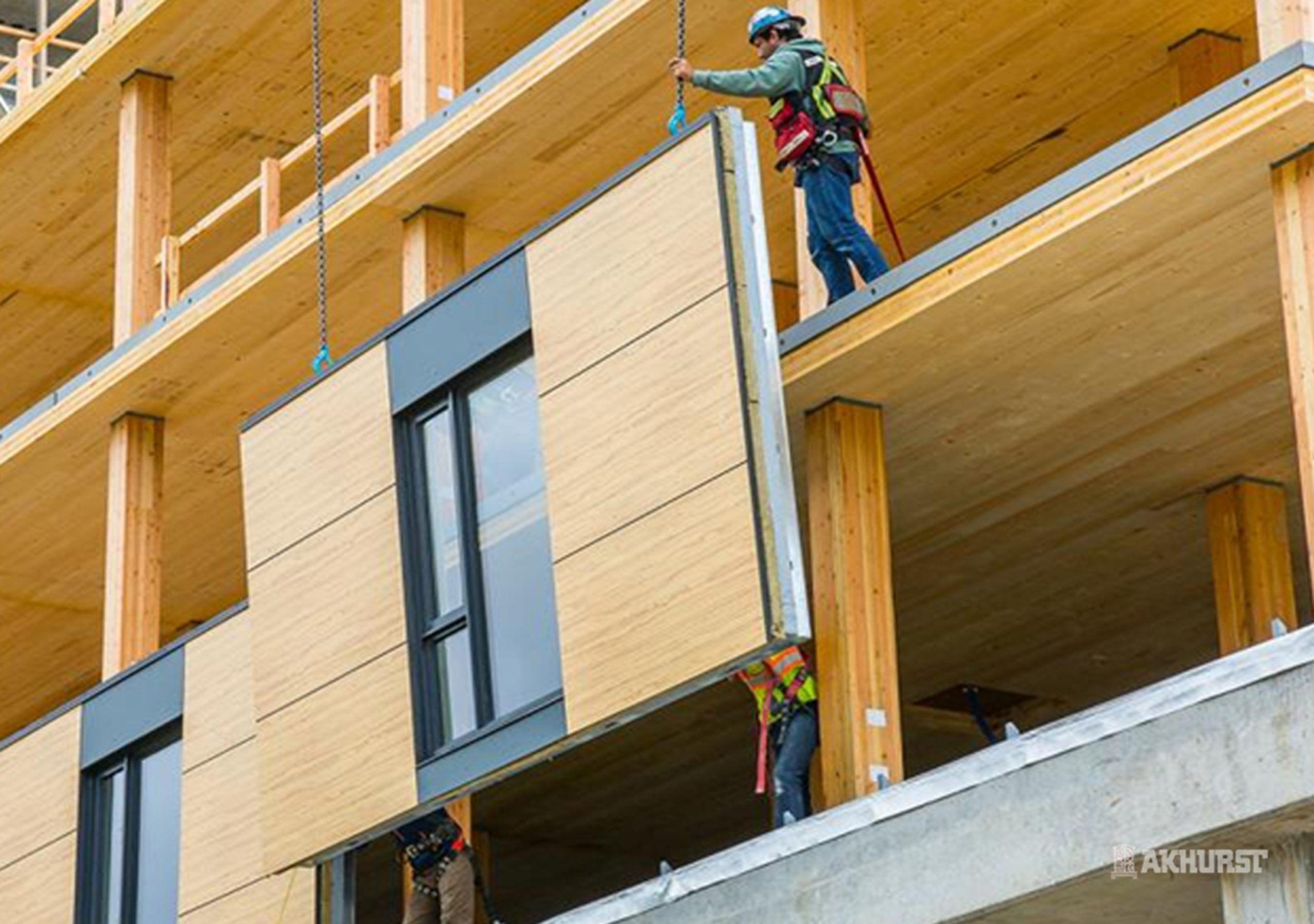
In Canada, modular classrooms and entire school wings are being deployed from British Columbia to Nova Scotia. At UBC’s (University of British Columbia) Brock Commons Tallwood House, one of the tallest of its kind globally, is an 18-storey hybrid mass timber structure offering accommodation to 404 students and completed in a staggering 70 days.
With growing emphasis on green building standards across both countries, prefabricated educational and healthcare buildings can be certified or net-zero ready, making them a cornerstone of future-ready infrastructure. These systems offer flexibility, reusability, and energy efficiency – key traits for managing fluctuating student populations – while showcasing sustainable design, reduced carbon emissions, and rapid construction methods that position institutions like UBC as leaders in innovative, eco-conscious building practices.
Commercial and Industrial Prefab Applications: Delivering Speed and ROI
Across North America’s commercial and industrial sectors, prefabrication is being embraced for one core reason: speed. Developers of hotels, office buildings, distribution centers, and manufacturing facilities use prefab to reduce construction times, lower financing costs, and fast-track revenue generation.
In the U.S., hotel chains such as Marriott and Hilton have invested heavily in modular builds. Marriott’s Folsom, California project—the Fairfield Inn & Suites—was completed 25% faster than traditional methods using fully finished room pods manufactured off-site. Entire guestrooms, including finishes and furniture, were stacked in place in days. These preassembled components reduce labour requirements and ensure higher quality control in urban sites with limited access and tight schedules.
In the industrial sector, Canada’s Stack Modular partnered with Bird Construction to deliver workforce housing in remote areas, including a 204-room complex for LNG Canada in British Columbia – constructed overseas and assembled onsite in weeks.
Prefabrication in commercial and industrial settings reduces weather delays, minimizes waste, and offers developers greater predictability – essential advantages in a high-stakes, low-margin environment.
Urban Infill and Prefab: Solving the Density Puzzle
Urban centers across North America face a dual challenge: growing populations and limited space. Prefabrication is proving to be a powerful tool for infill development – building on underutilized land within existing cities – offering a path to densification without long construction disruptions or inflated costs.
In Canada, newly elected Prime Minister Mark Carney has introduced an ambitious national housing strategy centered on mass timber and prefabricated construction, aiming to more than double the country’s annual housing output to 500,000 units. The new ‘Build Canada Homes’ plan will provide $25 billion in financing support to Canadian prefab companies to help achieve this bold target. While associations such as MHABC and BC Modular continue to drive industry growth, innovation, and adoption, they also play a critical role in addressing key economic challenges, advocating for updated building codes and liaising with government to ensure the successful implementation of this transformative initiative.
San Francisco and Los Angeles are turning to modular developers to deliver affordable housing and infill solutions faster. Large companies in this industry are now producing entire apartments in off-site facilities and completing projects in half the time of conventional builds.
Private developers are increasingly using prefab to build mid-rise apartments on constrained sites. These projects allow cities to meet housing goals without sacrificing neighbourhood character, parking, or access. Additionally, the environmental advantages – fewer truck trips, lower emissions, and less waste will support these municipal sustainability goals.
The Future of Construction: Standardizing Smart, Scalable Solutions
Prefabrication is no longer a niche solution – it’s rapidly becoming a core strategy for smart construction across North America. Integrating digital modelling, advanced materials, and automated manufacturing opens new opportunities in scale and complexity.
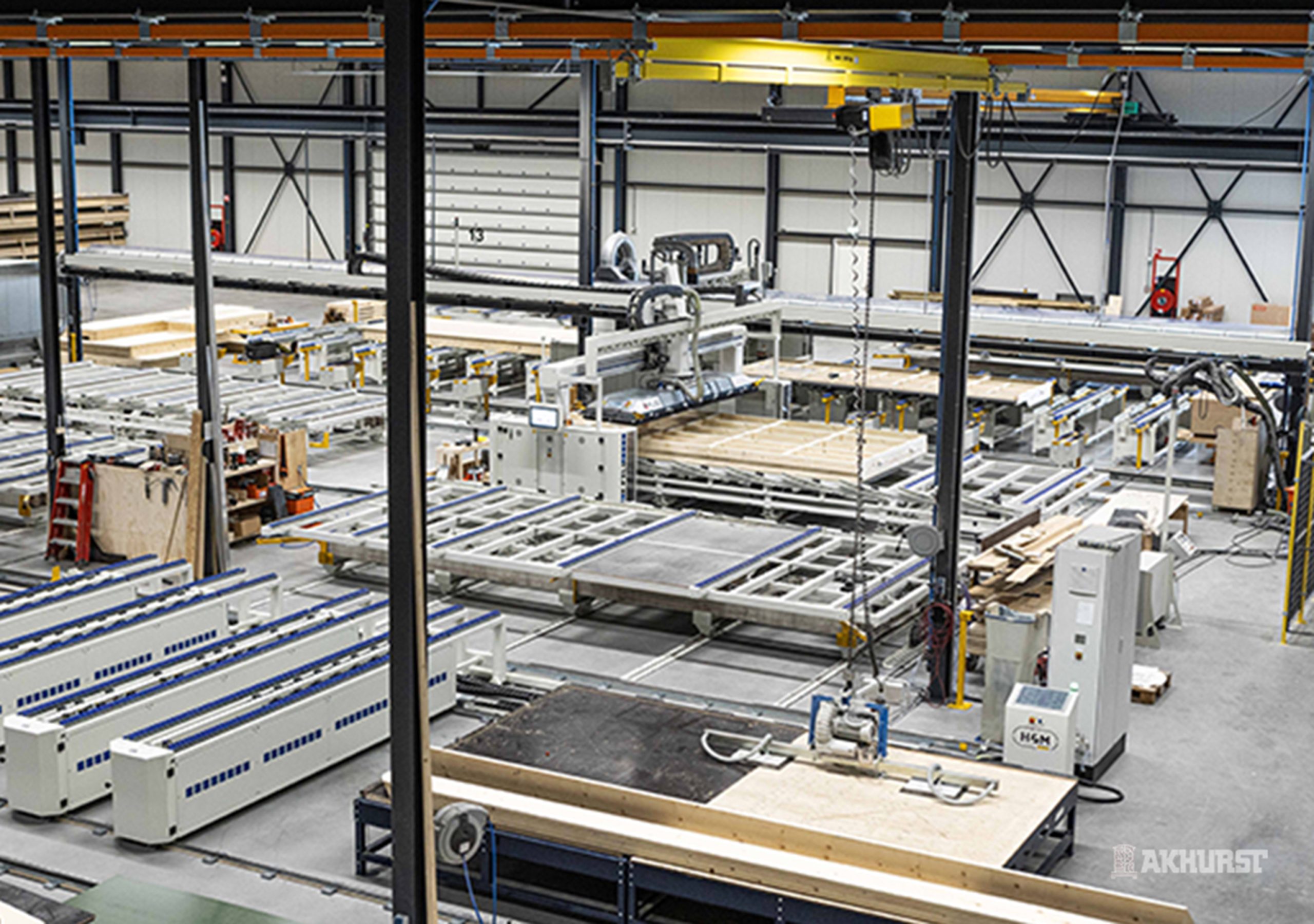
As urban density increases, populations expand, and climate pressures intensify, North America demands building solutions that are fast, adaptable, and future-ready. Strategic partnerships – like those between Akhurst Machinery, Modular Building Automation, and X-Floc are driving this transformation by delivering the advanced machinery and support systems needed to construct and meet the demands of healthcare, education, commercial facilities, and urban development.
The public and private sectors are seeing the benefits: reduced build times, enhanced safety, lower costs, and improved environmental performance. However, for prefabrication to reach its full potential, key challenges must still be addressed: building code harmonization, supply chain resilience, and skilled workforce development.
Learn more about Offsite Construction and stay tuned for our next post – From Automation to Adoption: The New Era of Building, Training, and Regulations.
Akhurst Machinery. Building Trust. Creating together.
Jayden Campbell is a dedicated Product Manager at Akhurst Machinery, where he leverages his industry expertise to drive product innovation and streamline operations. With a passion for machinery and technology, he is committed to delivery solutions that empower clients and support Akhurst Machinery’s growth in the industry