What Is Technological Maturity, and Why Does It Matter?
Technological maturity is not defined by how much software a business has purchased or how many digital tools it can list. It reflects how well technology supports the company’s strategy, day-to-day processes, and long-term goals.
That distinction matters. Many companies invest in new systems with the expectation that better tools will automatically deliver better results. In practice, technology creates value only when it fits the business using it. A poorly matched system, even a sophisticated one, can become an expensive workaround rather than a meaningful improvement.
Technology Is Only Valuable When It Fits the Business
In that sense, technological maturity is less about adoption and more about readiness. It asks a practical question: Is the business prepared to use technology effectively, consistently, and at the right scale?
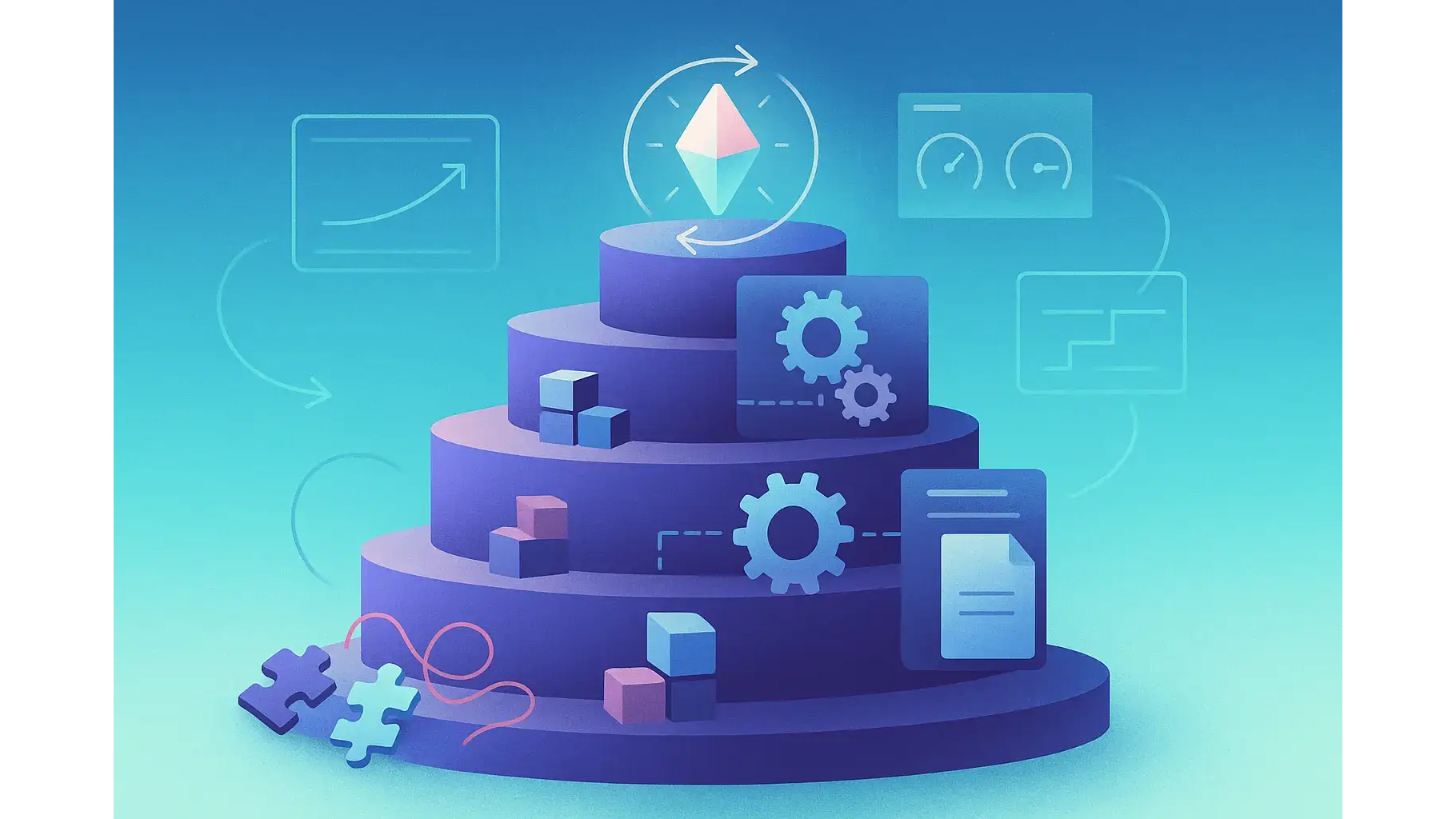
A useful way to think about it is through the logic of construction. No one would begin a building project by installing the roof before the foundation is in place. Yet businesses often take that approach with technology. They move quickly toward advanced platforms or highly visible tools without first addressing the basics, such as process discipline, staff training, data quality, and internal accountability.
That sequence creates risk. A company may invest in new software only to find that employees are not equipped to use it properly, workflows have not been standardized, or the system does not reflect how the operation actually runs. Instead of improving performance, the technology adds friction, confusion, and cost.
Why Readiness Matters More Than Adoption
The issue is not whether a tool is good. The issue is whether the business is ready for it.
This is why technological maturity looks different at different stages of growth. A small firm with a lean team may gain far more value from dependable accounting software, clear file management, and a basic scheduling system than from a complex enterprise platform. By contrast, a growing company that still relies on spreadsheets for core operational decisions may eventually find that those familiar tools are limiting visibility, consistency, and scale.
In both cases, the right decision depends on context. Mature technology planning is not about chasing trends or buying the most advanced option on the market. It is about making deliberate choices that match the company’s current needs while supporting future growth.
For business leaders, that means stepping back and assessing whether their systems are helping the organization move forward or forcing staff to work around avoidable inefficiencies. Are existing tools aligned with the company’s size, structure, and objectives? Are employees trained and confident in using them? Can current systems support the next stage of growth?
Matching Technology to Your Stage of Growth
These are not abstract questions. They affect productivity, decision-making, customer service, and ultimately profitability.
Technology should support the business, not complicate it. It is a practical framework for thinking about how technology fits within the broader business. The more clearly a company understands its own level of readiness, the more likely it is to make technology decisions that deliver real value.
 Sarah Woolverton, Director at WEB-CAB