
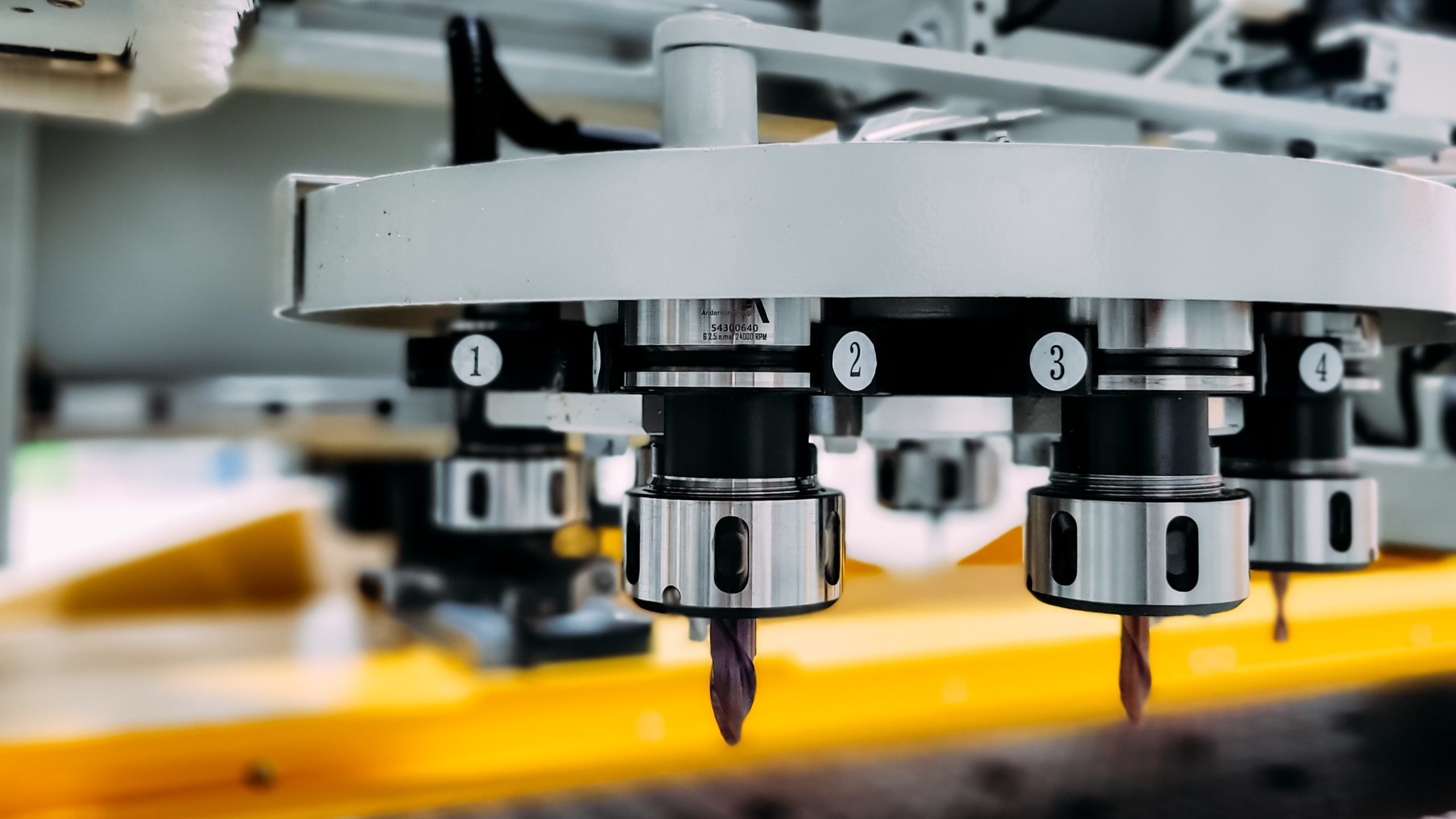
When Is the Right Time for a Woodworking Shop to Invest in a CNC Router?
![]() Why More Woodworking Shops Are Adopting CNC?
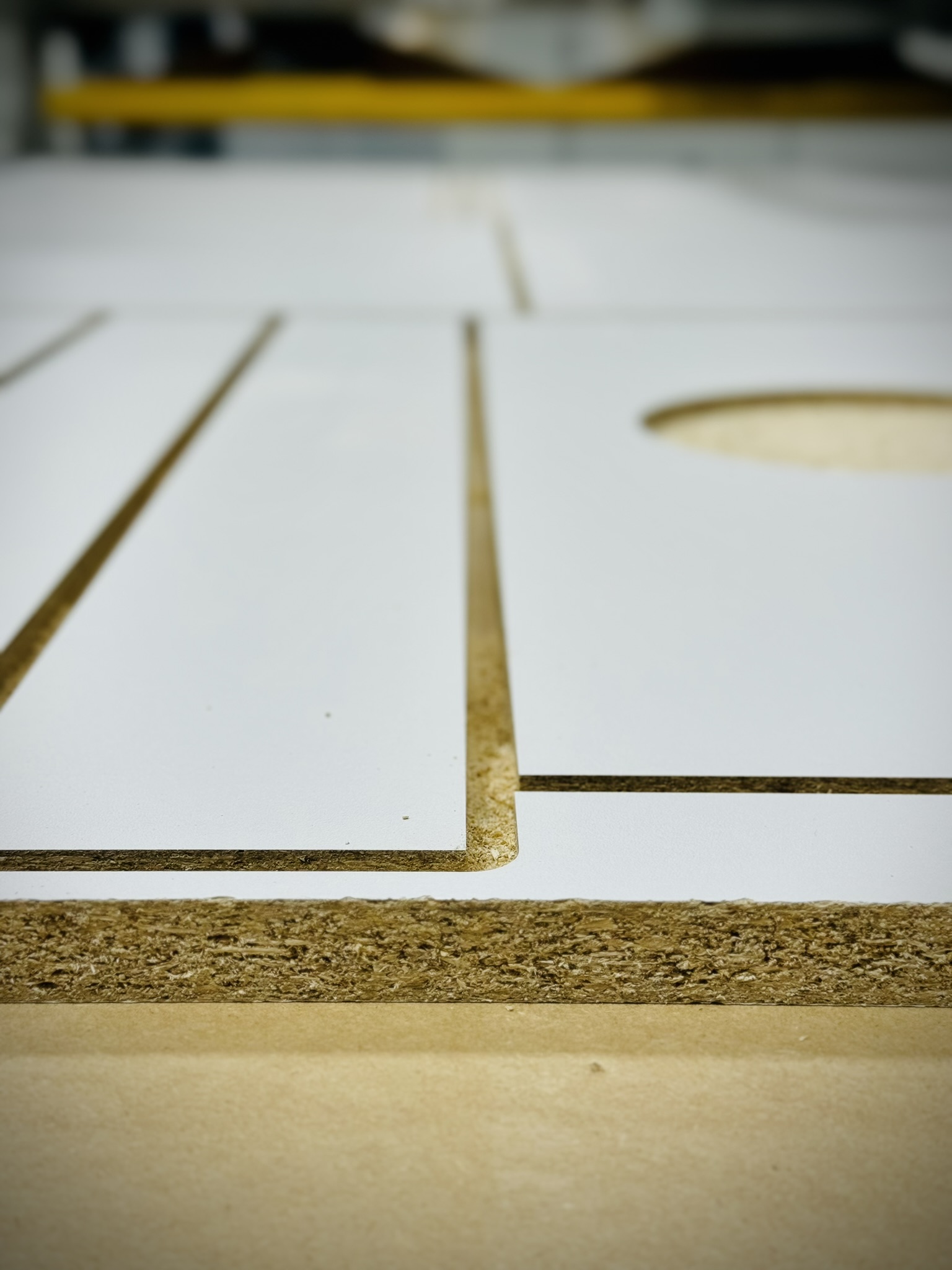
Labour shortages are making it increasingly difficult for shops to find skilled operators. CNC machines allow businesses to automate complex machining tasks and maintain productivity with fewer people.
At the same time, competition has increased dramatically. Shops equipped with CNC technology can often produce parts faster and with greater precision than those relying solely on manual machinery. As a result, CNC routers are becoming an important tool for shops that want to remain competitive and scalable.
CNC Is No Longer Just for Large Manufacturers.
Modern CAD/CAM and design software can automate much of the programming process, allowing shops to move quickly from design to finished part.
Because of this, many smaller woodworking businesses including cabinet shops, furniture manufacturers, and architectural millwork producers are successfully integrating CNC technology into their operations.
![]() CNC May Be More Affordable Than Many Shops Expect.
In reality, many businesses finance or lease their machines, spreading the cost over time. In some cases, the monthly payment for a CNC router can be comparable to the cost of a single employee.
This allows shops to improve production capacity while preserving cash flow and avoiding large capital expenditures.
For shops evaluating their first CNC investment, several factors deserve careful consideration.
1- Software Workflow
Software is the digital backbone of CNC production. The software you choose determines how designs are created, programmed, and sent to the machine. Different industries may require different software capabilities. For example:
- Cabinet manufacturing often uses specialized design software with nesting automation.
- Furniture or millwork shops may use more general CAD/CAM systems.
Choosing software that fits your production style can be just as important as selecting the machine itself.
2- Machine Construction and Durability
CNC routers vary significantly in their construction and engineering. Machine rigidity, frame design, and overall build quality all affect performance. A well-built machine typically provides:
- Better cutting accuracy
- Improved surface finish
- Longer tool life
- Greater long-term reliability
For shops planning to run machines daily in production environments, build quality becomes especially important.
3- Workpiece Holding and Material Stability
Most CNC routers use vacuum systems to hold sheet materials securely on the machine table. Effective vacuum performance ensures that parts remain stable during machining. If material moves during cutting, it can affect accuracy, tool life, and surface quality. Understanding how the vacuum system is designed, and how it performs during real production conditions, is an important part of evaluating a machine.
4- Tooling and Operating Costs
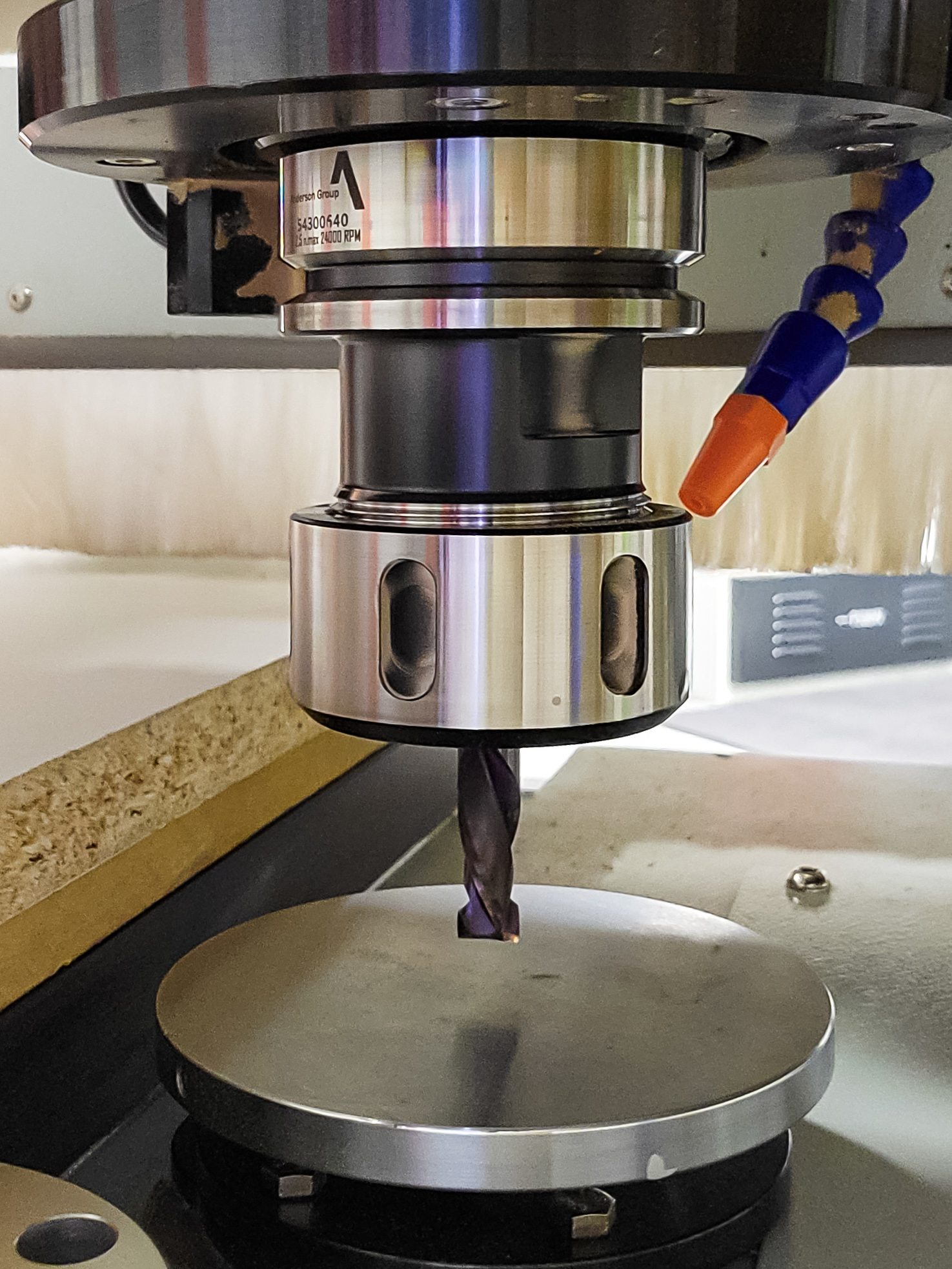
Machine stability and design also affect tooling performance. When a machine holds material securely and cuts smoothly, tools tend to last longer and produce more consistent results. Over time, improvements in tooling life can significantly reduce operating costs for shops producing high volumes of parts.
5- Training and Support
For first-time CNC users, the quality of supplier support can make a major difference. Installation assistance, operator training, and ongoing application support help reduce the learning curve and allow shops to begin production more quickly. Shops that receive strong support often find that CNC integration is far easier than expected.
When investing in a CNC router, it is important to think beyond current production needs.
A machine that works well today should also be capable of supporting higher production volumes in the future. Choosing equipment that can scale with your business helps ensure the investment remains valuable for many years.
Many shops that adopt CNC technology share a similar reaction once the machine is installed: “We should have done this sooner.”
Once integrated into the workflow, CNC routers often become one of the most valuable tools on the shop floor. They allow woodworking businesses to increase efficiency, improve consistency, and expand their production capabilities.
For many manufacturers, adopting CNC technology is not just an equipment purchase, it is a step toward modernizing the entire production process.
Stay tuned for more hot topics and the latest technological trends in the market.
Akhurst Machinery. Building Trust. Creating together.
_____________
By: Alex Colic, Akhurst CNC Product Manager